
Vercel CEO Offers to Cover Jmail Costs: The Cloud Pricing Controversy
Explore the Vercel CEO's decision to pay Jmail's costs and the heated debate on cloud pricing, spending limits, and platform responsibility.
 AnyToURL Team
In June 2024, a heated debate erupted in the developer community after Vercel's CEO, Guillermo Rauch, publicly offered to cover the expenses of 'Jmail'—a personal project tracking the Epstein documents that had just been taken down for excessive resource usage. This incident, which received over 260 points and 170+ comments on Hacker News, brought longstanding frustrations about cloud pricing, platform responsibility, and the real costs of web scale to the forefront.
Table of Contents
- Background: The Jmail Shutdown
- The Real Cost of Cloud Hosting
- Cloud Pricing Models and Predictability
- Platform Alternatives: Cloud vs. Self-Hosting
- Technical Pitfalls: Asset Management
- Broader Lessons for Developers and Founders
- FAQ
- Conclusion
Background: The Jmail Shutdown
Jmail was a personal project dedicated to tracking and archiving the controversial Epstein court documents. The site went viral, accumulating over 450 million pageviews—a staggering number for any independent site. But this success came at a cost: Vercel, the hosting provider, cited bandwidth and egress fees exceeding $46,000 per month. As a result, Jmail was taken offline by Vercel due to unsustainable costs, prompting Guillermo Rauch to offer to cover the expenses out-of-pocket.
Community Response
The announcement sent ripples through the tech community. On Hacker News, developers debated whether Vercel's proactive intervention was fair, whether users were given enough warning or control, and how cloud costs could spiral out of control with viral content.
The Real Cost of Cloud Hosting
Bandwidth, Egress, and the Hidden Fees
Many users underestimate the true costs of running a high-traffic site in the cloud. While compute and storage are relatively affordable, bandwidth and egress charges can escalate rapidly. Jmail's traffic resulted in a monthly bill of over $46,000, largely due to serving static assets at scale.
Cost Accidents and Spending Limits
A recurring theme in the discussion was the unpredictability of cloud bills. Developers shared stories of 'cost accidents'—unexpectedly high bills after viral spikes or misconfigured resources. Many argued for better real-time spending controls and alerting mechanisms from platforms.
Cloud Pricing Models and Predictability
Complexity and Lack of Transparency
Cloud pricing is notoriously complex. Even experienced developers find it difficult to predict monthly expenses, especially for bandwidth-heavy applications. The lack of clear real-time spending limits leaves users vulnerable to runaway bills.
The "Convenience Tax"
Some commenters referred to cloud platform fees as a 'convenience tax,' comparing them to Dropbox's early pricing: you pay more for managed infrastructure and rapid scaling, but at a hidden premium.
Platform Alternatives: Cloud vs. Self-Hosting
Comparing Vercel with Hetzner, Railway, and Others
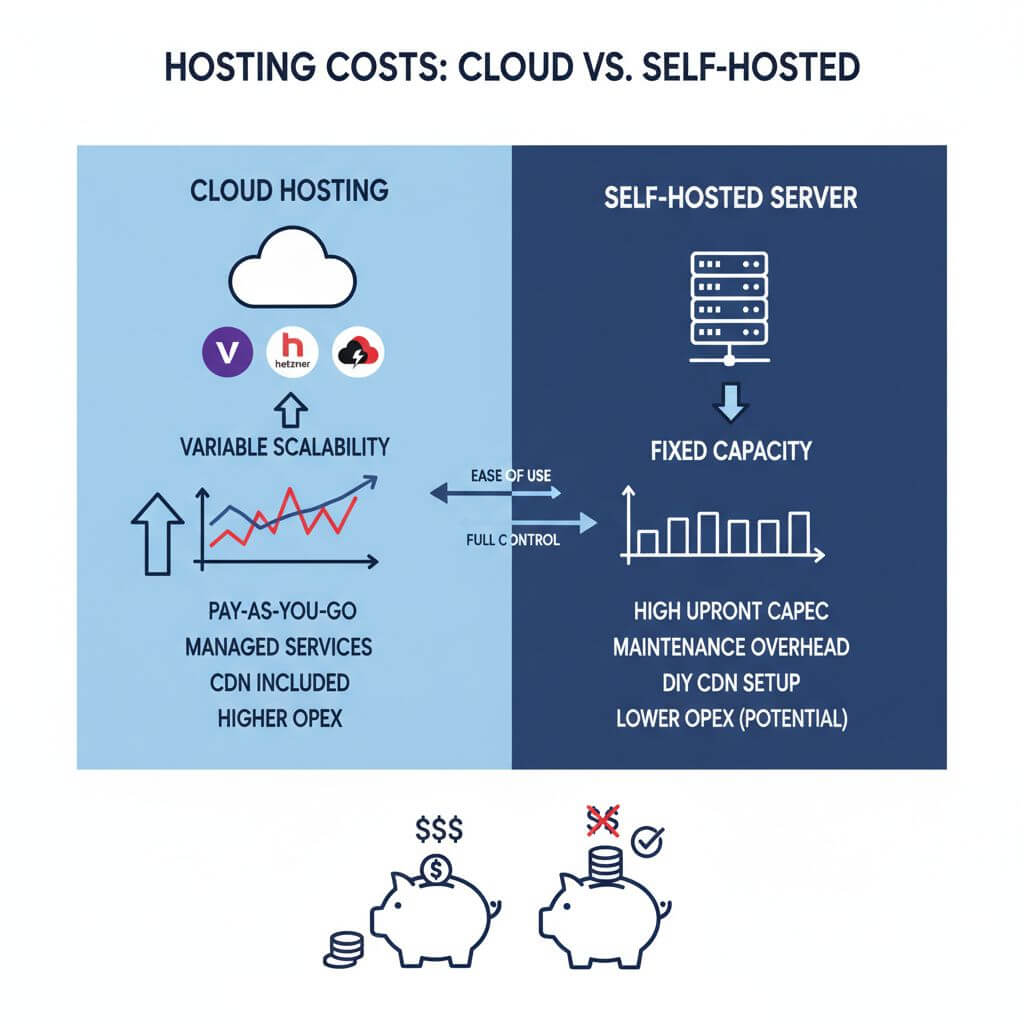
Many developers compared Vercel's pricing with alternatives like Hetzner, Fly.io, and Railway. For instance, a 16-core Hetzner server with 4TB NVMe storage costs about €450 ($535) per month—much lower than Jmail's cloud bill.
The Case for Self-Managed Infrastructure
For predictable workloads, self-hosting (using a VPS, nginx, and a CDN like Cloudflare) can be dramatically more cost-effective. Cloudflare's free CDN, which offers unlimited bandwidth, was frequently cited as a strong alternative for serving static content at scale.

Technical Pitfalls: Asset Management
The 670 KB Logo Controversy
A specific technical criticism was Jmail's 670 KB logo file—unusually large for a website logo. This highlighted the importance of image optimization and asset management, especially when bandwidth costs are a concern.
Modern Web Development Practices
Developers debated whether the site followed best practices for static assets, caching, and optimization. Neglecting these details can turn minor inefficiencies into major costs at scale.
Broader Lessons for Developers and Founders
AI Agent Traffic and the New Unknowns
The rise of AI agents scraping web content has introduced new unpredictability for bandwidth costs. Viral traffic is no longer just about human users.
Platform Responsibility and User Control
Should platforms enforce spending limits by default? Should there be better, more transparent alerting and control mechanisms for users? The Jmail saga suggests these features are increasingly essential, not just nice-to-haves.
FAQ
Q: Why did Vercel take down Jmail?
A: The site incurred massive bandwidth and egress costs due to viral traffic, making it financially unsustainable for the platform without intervention.
Q: Are cloud platforms always more expensive than self-hosting?
A: Not always. For unpredictable, viral workloads, cloud can be safer. But for predictable, static content, self-hosting is often much cheaper.
Q: What can developers do to avoid 'cost accidents'?
A: Use real-time alerts, set spending limits if possible, and optimize assets to minimize bandwidth usage.
Conclusion
The Vercel-Jmail incident serves as a wake-up call for anyone deploying high-traffic sites: understand your platform's pricing, optimize your assets, and demand better tools for cost control. While the convenience of cloud platforms is undeniable, the underlying costs—and risks—should never be ignored.
If you ever need to quickly share files or generate short links, you can try AnyToURL.